

When Should Kids See an Orthodontist in Simpsonville? A Parent’s Timeline Guide
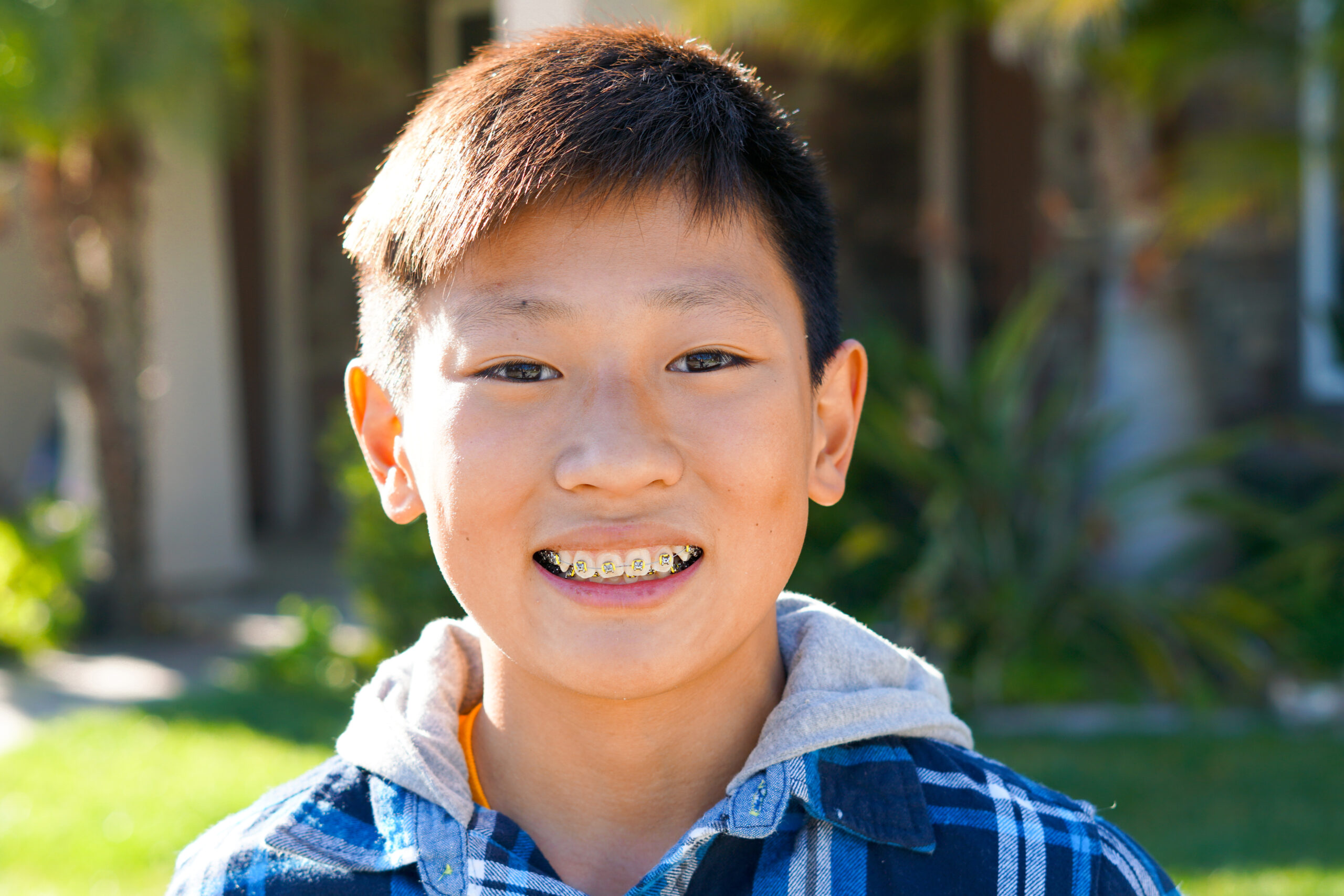
For many parents, orthodontic care can feel like something to think about “later”—often during the teenage years. But the truth is, timing plays a critical role in how effective and efficient treatment can be. Knowing when to schedule your child’s first visit to an orthodontist can help prevent more complex issues down the road and set the stage for a healthy, confident smile.
If you’re a parent in Simpsonville, understanding this timeline is especially important as you navigate growth, development, and early dental habits. This guide will walk you through what to expect at every stage and how to make the best decisions for your child’s smile.
Why Early Orthodontic Evaluations Matter
Orthodontic treatment isn’t just about straightening teeth—it’s about guiding proper jaw development, improving bite function, and preventing long-term oral health issues. Early evaluations allow an orthodontist to identify concerns before they become more serious.
Many parents assume that orthodontic care only begins once all permanent teeth have erupted, but that’s not always the case. Early detection of issues such as crowding, crossbites, or jaw misalignment can make treatment simpler and more effective.
Visiting a trusted Frazier Orthodontics ensures your child receives a personalized evaluation that considers their unique growth patterns and needs.
Age 7: The Recommended First Orthodontic Visit
The American Association of Orthodontists recommends that children have their first orthodontic evaluation by age 7. At this stage, your child likely has a mix of baby teeth and permanent teeth, which gives an orthodontist valuable insight into how their smile is developing.
This doesn’t mean your child will need immediate treatment. In many cases, the orthodontist will simply monitor growth and development over time. However, if an issue is present, early intervention can help guide the jaw and create space for incoming teeth.
At this age, orthodontists can detect:
- Early signs of crowding or spacing issues
- Bite problems such as overbite or underbite
- Jaw growth irregularities
- Harmful oral habits like thumb sucking
Catching these concerns early can reduce the need for more extensive treatment later.
Ages 8–10: Monitoring Growth and Development
During these years, most children will not begin full orthodontic treatment, but this phase is critical for observation. Regular check-ins allow the orthodontist to track how the teeth and jaw are changing as permanent teeth continue to emerge.
This stage is often referred to as the “observation phase.” While it may seem passive, it plays a key role in determining the optimal timing for treatment. Starting too early or too late can affect results, so careful monitoring ensures the best outcome.
For some children, minor interventions may be recommended during this time to address specific concerns before they worsen.
Ages 10–14: The Most Common Time for Treatment
This is the stage most people associate with orthodontic care—and for good reason. By this age, most or all permanent teeth have erupted, and the jaw is still growing, making it an ideal time to begin treatment.
This is when braces or clear aligners are typically introduced to correct alignment and bite issues. Treatment during this window is often more efficient because the teeth and jaw are more responsive to movement.
Parents often begin searching for a braces orthodontist during this stage, especially as alignment concerns become more noticeable. Addressing these issues now can prevent complications in adulthood and improve both function and appearance.
Signs Your Child May Need to See an Orthodontist Sooner
While age 7 is the general guideline, some children may show signs that indicate the need for an earlier evaluation. These signs should not be ignored, as they may point to underlying issues that benefit from early attention.
Common warning signs include difficulty chewing, mouth breathing, early or late loss of baby teeth, and visibly misaligned teeth. Jaw shifting or clicking can also signal developmental concerns.
If you notice any of these symptoms, scheduling an evaluation with an experienced orthodontist can provide clarity and peace of mind.
The Benefits of Early vs. Delayed Treatment
One of the biggest advantages of early orthodontic evaluation is the ability to guide growth rather than correct fully developed problems. Early intervention can reduce the need for tooth extractions, shorten overall treatment time, and improve long-term stability.
On the other hand, delaying treatment may lead to more complex issues that require longer or more intensive care. While not every child needs early treatment, having a professional monitor their development ensures that no opportunities are missed.
Parents searching for a Simpsonsville orthodontist often find reassurance in knowing their child’s care is being carefully timed for optimal results.
Choosing the Right Orthodontist in Simpsonville
Finding the right provider is an important part of your child’s orthodontic journey. You want a practice that combines experience, modern technology, and a welcoming environment for families.
An experienced orthodontist will not only focus on results but also on creating a comfortable and supportive experience for your child. From the first consultation to the final result, the right team makes all the difference.
When choosing a provider, consider their approach to personalized care, their experience with children, and their ability to clearly communicate treatment plans.
Schedule Your Child’s Smile Journey with Frazier Orthodontics Today
Knowing when to take your child to the orthodontist can make all the difference in their smile journey. Early evaluations, timely treatment, and expert guidance ensure the best possible outcome at every stage of development.
If you’re ready to take the next step, the team at Frazier Orthodontics in Simpsonville is here to help. With a focus on personalized care and a welcoming environment, they make orthodontic visits easy and stress-free for both parents and kids.
Don’t wait to get answers about your child’s smile. Contact Frazier Orthodontics today to schedule a consultation and discover the right timing for your child’s orthodontic care.
Tags
Recent Posts
- Does My Child Need Braces? Signs Simpsonville Parents Should Look For
- What Is the Difference Between a General Dentist and an Orthodontist in Simpsonville?
- How Long Do Braces Take? What Simpsonville Patients Should Expect
- When Should Kids See an Orthodontist in Simpsonville? A Parent’s Timeline Guide
- Braces vs. Invisalign® in Simpsonville: Which Option Fits Your Lifestyle?