

Does My Child Need Braces? Signs Simpsonville Parents Should Look For
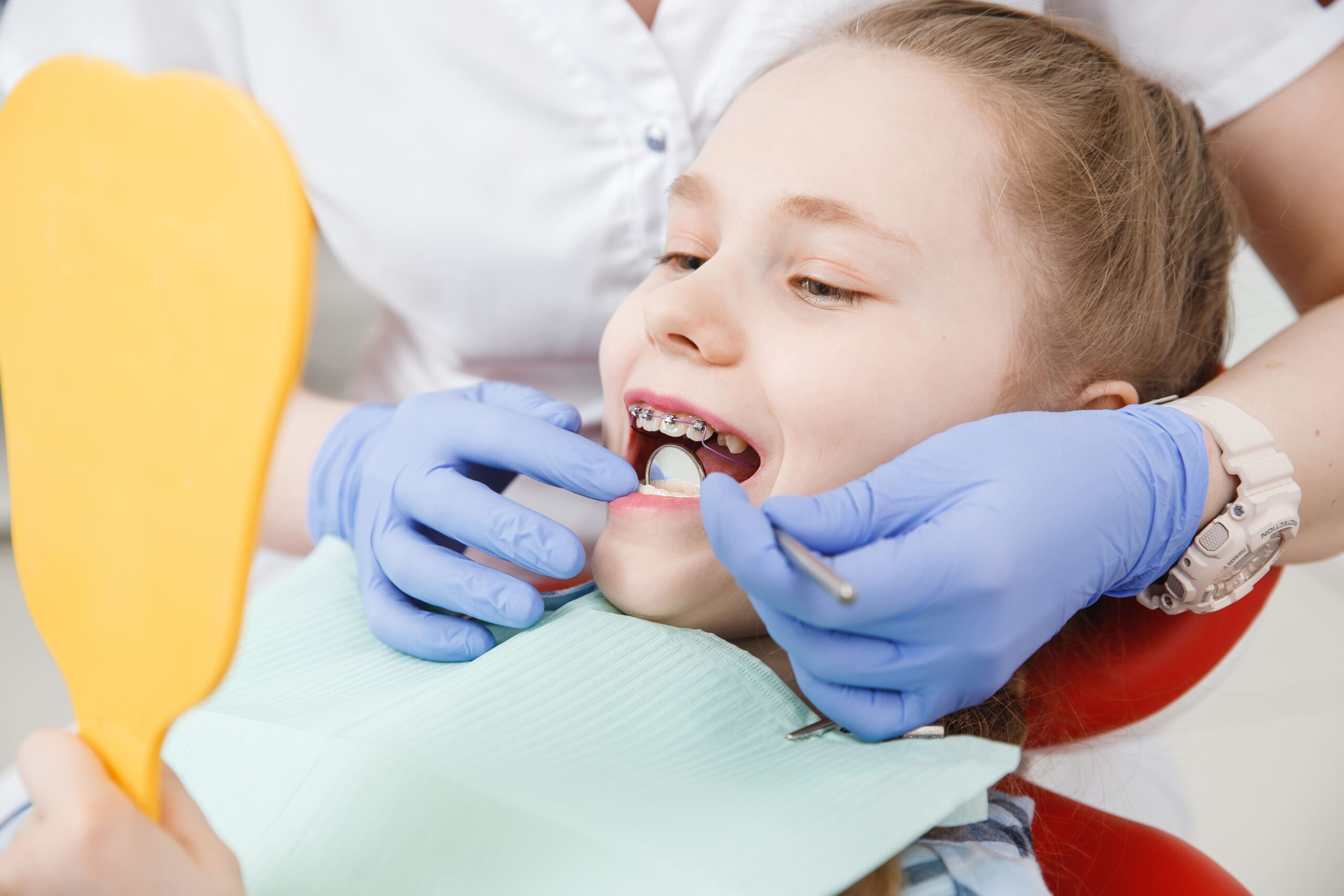
Figuring out whether your child needs braces is not always as simple as looking at their smile. Some orthodontic problems are easy to spot, such as noticeably crooked teeth or large gaps. Others involve the way the teeth and jaws fit together and may not become obvious until a professional takes a closer look.
Parents also do not have to wait until their child has a mouth full of permanent teeth to start asking questions. An orthodontic evaluation can help identify potential concerns early and determine whether treatment is needed right away, later on, or not at all.
If you are wondering whether your child could benefit from orthodontic treatment, here are some signs worth paying attention to.
Crooked or Crowded Teeth
Crooked teeth are probably the first thing that comes to mind when parents think about braces. While a little overlap is not necessarily a problem, significant crowding can make it difficult for permanent teeth to come in properly.
Crowding happens when there is not enough room for all of the teeth to fit comfortably. Teeth may overlap, twist, or erupt behind or in front of other teeth. Besides affecting the appearance of the smile, crowded teeth can be harder to brush and floss thoroughly.
It is also possible for crowding to become more noticeable as your child gets older. A smile that appears relatively straight while some baby teeth remain may change as permanent teeth continue to erupt. Regular dental and orthodontic evaluations can help monitor those changes.
Gaps That Do Not Go Away
Spaces between children’s teeth are not always something to worry about. In fact, gaps can be a normal part of childhood development as baby teeth fall out and permanent teeth come in.
However, spaces that remain after the permanent teeth have erupted may be related to tooth size, missing teeth, or the position of the surrounding teeth. A pediatric orthodontist can determine whether a gap is likely to close naturally or whether treatment may eventually be recommended.
An Overbite, Underbite, or Crossbite
The way your child’s upper and lower teeth fit together is just as important as how straight they look. An overbite occurs when the upper front teeth extend too far over the lower teeth. With an underbite, the lower teeth sit in front of the upper teeth. A crossbite occurs when some upper teeth sit inside the lower teeth when biting down.
These bite problems can vary significantly in severity. Some are relatively minor, while others can affect chewing, tooth wear, or jaw function. If your child’s bite looks unusual or their jaw seems to shift when they close their mouth, it is worth having it evaluated.
Trouble Biting or Chewing
Pay attention to how your child uses their teeth during everyday activities. Difficulty biting into food, chewing comfortably, or bringing the teeth together evenly can sometimes indicate an orthodontic issue.
You may also notice your child consistently chewing on one side of their mouth or avoiding certain foods because they are difficult to bite. These behaviors can have several possible causes, so they do not automatically mean braces are necessary. Still, they are good reasons to mention your concerns during an orthodontic consultation.
Permanent Teeth Are Not Coming In Normally
Sometimes the biggest clue is simply that a tooth does not seem to be following the expected timeline. A permanent tooth may become delayed, erupt in an unusual position, or appear crowded because there is not enough room.
Baby teeth that are lost too early can also create problems. When a tooth is missing before the permanent replacement is ready to come in, neighboring teeth may shift into the open space.
An orthodontist can monitor tooth eruption and identify potential problems before they become more difficult to address.
Your Child Is Having Difficulty Closing Their Lips
Take a look at your child’s resting posture. If they frequently keep their mouth open or seem to have difficulty closing their lips comfortably, it may be worth bringing up with their dentist or orthodontist.
There are many possible reasons for mouth breathing or an open-mouth posture, and orthodontic treatment is not necessarily the answer. However, these observations can provide useful information about your child’s oral development and may warrant a closer evaluation.
Certain Childhood Habits Continue
Habits such as thumb or finger sucking are common when children are young. However, prolonged habits can sometimes influence the development and positioning of the teeth and jaws.
The potential effects depend on factors such as how often the habit occurs and how long it continues. If your child has an ongoing oral habit, an orthodontic evaluation can help determine whether it is affecting their developing bite.
Does Every Child With These Signs Need Braces?
Not necessarily. Seeing one or more of these signs does not automatically mean your child needs orthodontic treatment.
Children develop at different rates, and some orthodontic concerns can improve naturally as the jaws grow and permanent teeth erupt. Others may benefit from early intervention, while some are better addressed once more permanent teeth are in place.
That is why an evaluation is more useful than trying to determine from appearance alone whether your child needs braces. An orthodontist can assess your child’s growth, tooth development, and bite and explain whether treatment is recommended.
When Should Your Child See an Orthodontist?
The American Association of Orthodontists recommends that children have an initial orthodontic evaluation by age 7. This may sound early, but the goal is not necessarily to begin treatment at that age.
Instead, an early visit allows an orthodontist to look for developing concerns and determine the appropriate timing for treatment. Some children may benefit from early orthodontic care, while others simply need to be monitored until they are older.
For parents searching for a family orthodontist in the area, an evaluation can be a simple way to get answers and better understand what is happening with your child’s smile.
Take the Next Step Toward Your Child’s Healthier Smile with Frazier Orthodontics
You do not need to wait until your child’s teeth are severely crowded or crooked before seeking advice. If you have noticed changes in their smile, concerns with their bite, or unusual tooth development, an orthodontic evaluation can help you understand what those changes mean.
Dr. Frazier can assess your child’s developing smile and explain whether braces or another form of orthodontic treatment may be appropriate. If you are looking for a trusted orthodontist in Simpsonville, contact Frazier Orthodontics to schedule a consultation and find out what is best for your child’s smile.
Tags
Recent Posts
- Does My Child Need Braces? Signs Simpsonville Parents Should Look For
- What Is the Difference Between a General Dentist and an Orthodontist in Simpsonville?
- How Long Do Braces Take? What Simpsonville Patients Should Expect
- When Should Kids See an Orthodontist in Simpsonville? A Parent’s Timeline Guide
- Braces vs. Invisalign® in Simpsonville: Which Option Fits Your Lifestyle?