

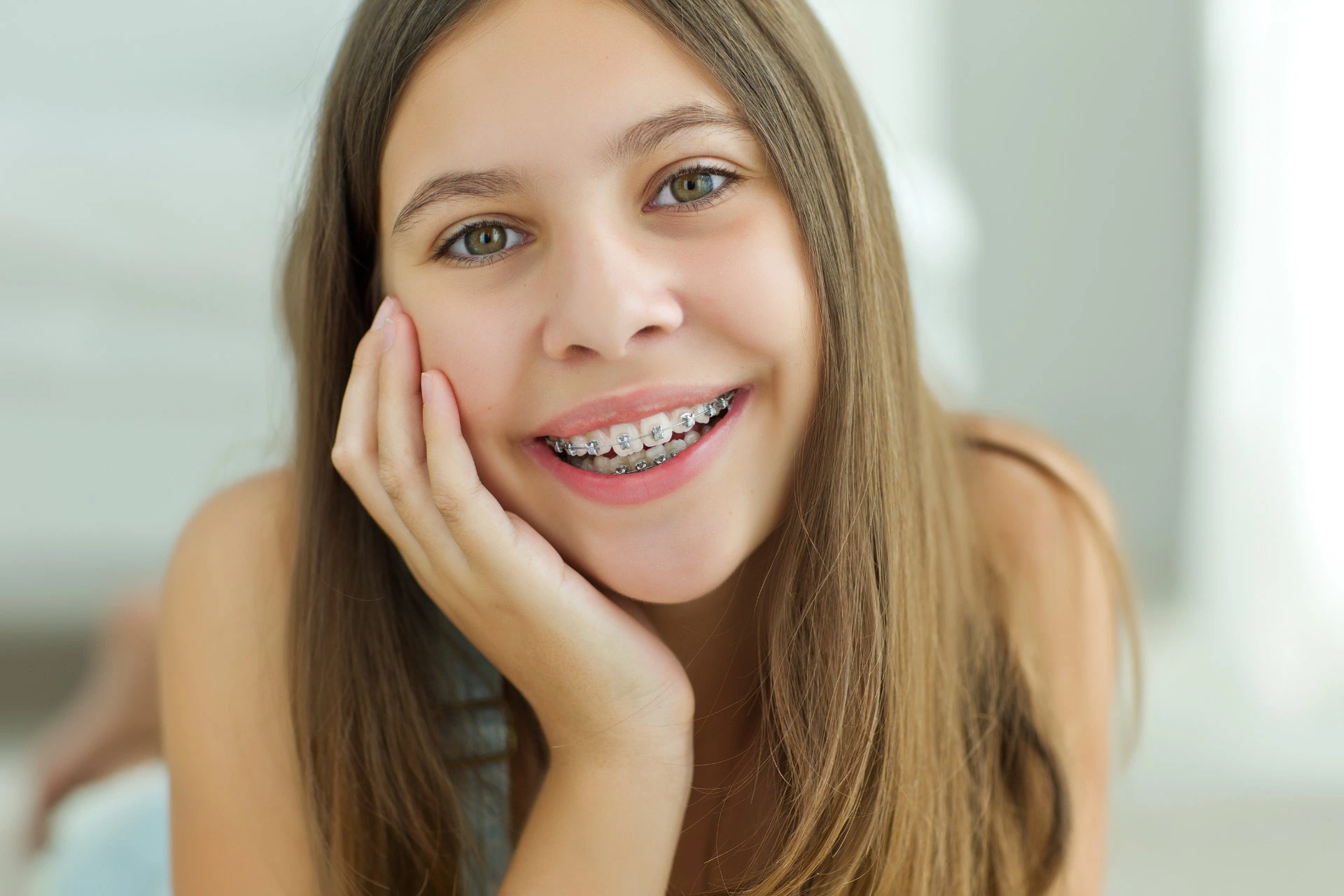

Traditional Braces In Simpsonville
Traditional braces are the most time-tested orthodontic solution, using metal brackets and wires to effectively straighten your teeth for a healthy, confident smile.
What Are Traditional Braces?
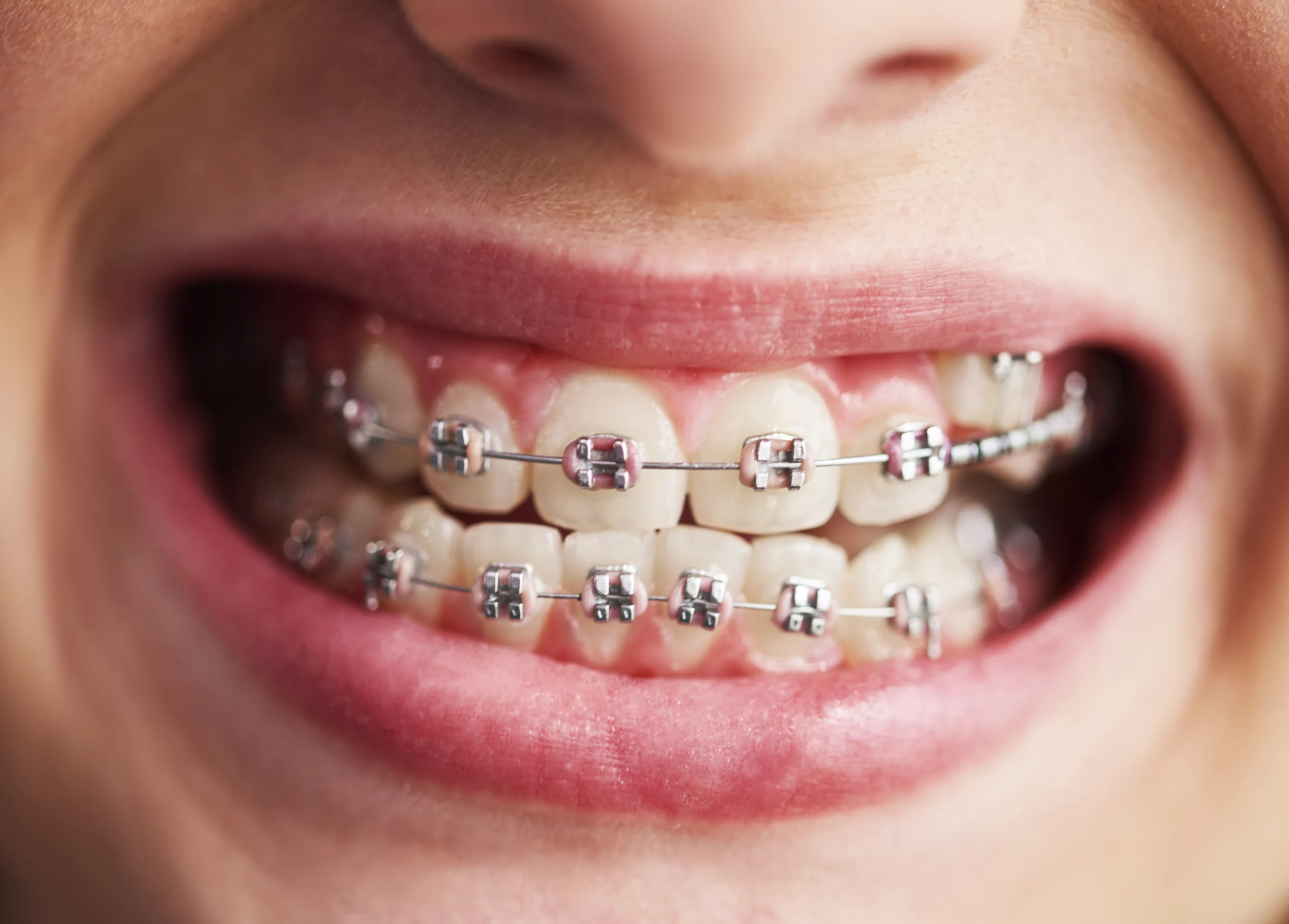
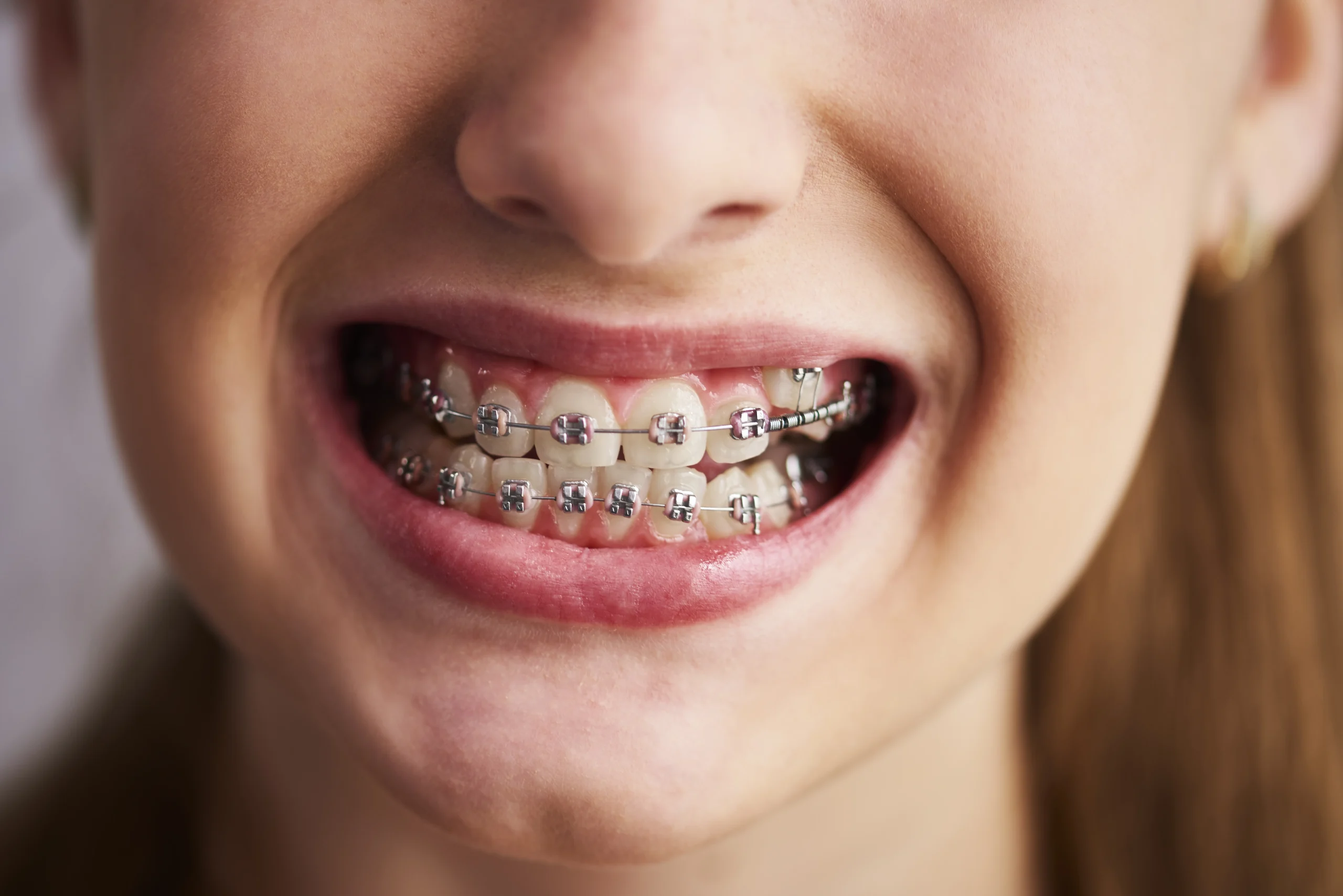
Traditional braces are an orthodontic treatment that uses metal brackets bonded directly to your teeth, connected by a thin wire that is periodically tightened. They are the most widely used orthodontic appliance in the world and have helped millions of patients achieve straighter, healthier smiles.
Like other orthodontic treatments, traditional braces gradually move teeth into the desired position by applying consistent, controlled pressure. They are highly effective for treating a full spectrum of dental issues — from mild crowding and spacing to complex bite problems like underbites, overbites, and crossbites.
While they are more visible than clear alternatives, modern traditional braces are smaller, more comfortable, and more efficient than ever before. They remain the gold standard for comprehensive orthodontic correction and are especially popular for younger patients.
Types Of Traditional Braces
Traditional braces come in several variations to suit different treatment needs and patient preferences, from standard metal to more discreet options.
Standard Metal Braces
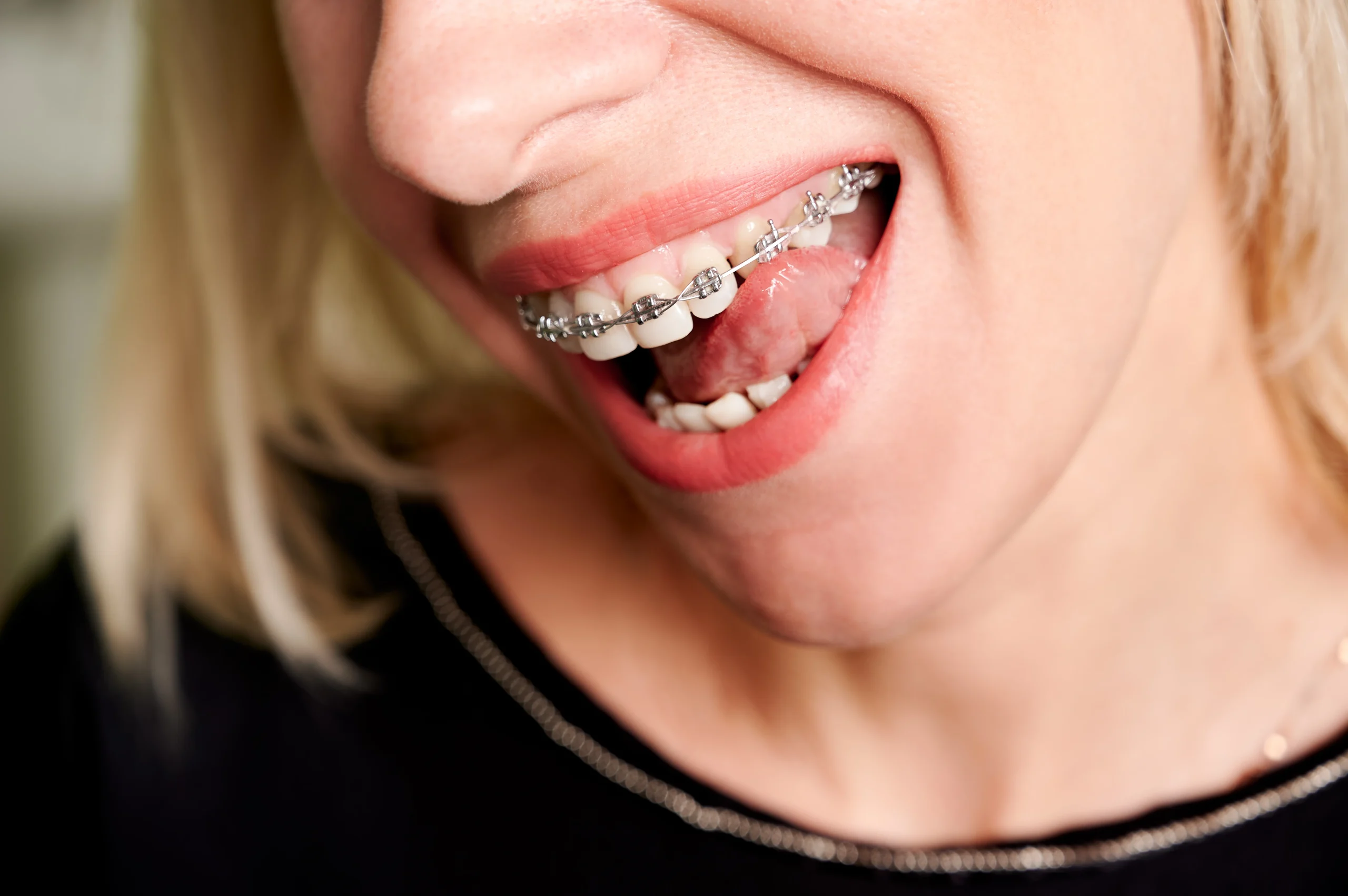
Standard metal braces are the most common type of orthodontic appliance. They use stainless steel brackets bonded to each tooth, connected by a thin metal archwire and held in place with small elastic ties called ligatures.
These braces are highly effective for treating even the most complex alignment issues. They allow for precise control of tooth movement and are typically the most affordable orthodontic option. Patients can personalize their treatment by choosing from a variety of colored ligature elastics.
Modern metal braces are significantly smaller and more comfortable than earlier generations, with smoother edges and advanced wire materials that apply lighter, more consistent forces for improved patient comfort.
Self-Ligating Braces
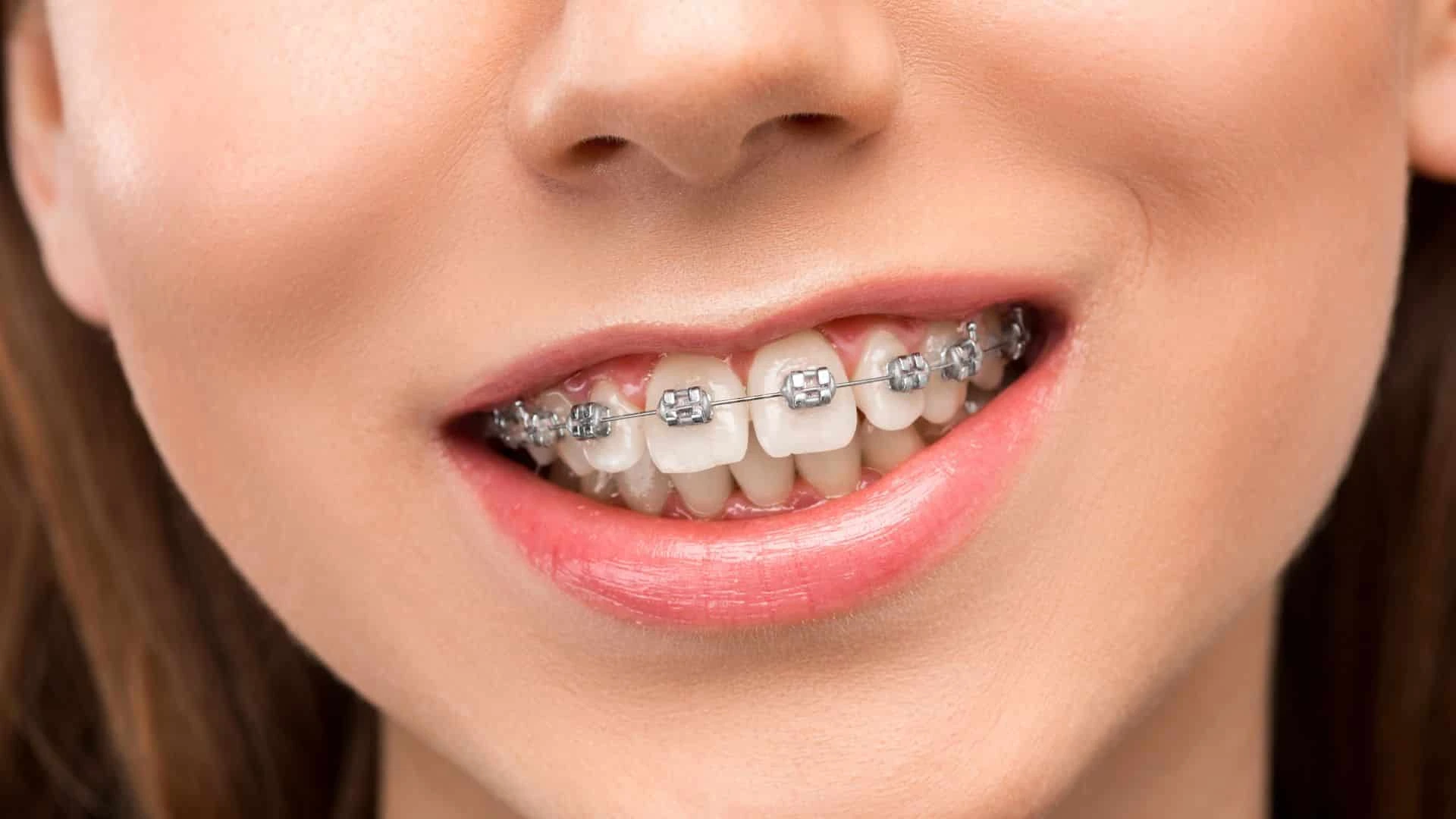
Self-ligating braces are an advanced variation that uses a built-in sliding mechanism or small door on each bracket instead of elastic ligatures to hold the wire in place. This reduces friction between the wire and bracket, allowing teeth to move more freely and efficiently.
Because there are no elastic ties to trap food or bacteria, self-ligating braces can be easier to keep clean. Many patients experience less discomfort and require fewer adjustment appointments, making them a time-efficient option for busy schedules.
They are effective at treating the same range of issues as standard metal braces — including crowding, spacing, and bite problems — while potentially shortening overall treatment time for some patients.
Ceramic Braces
Ceramic braces function the same way as traditional metal braces but use tooth-colored or clear ceramic brackets that blend in with the natural color of your teeth. This makes them significantly less noticeable while still providing the power of fixed orthodontic treatment.
They are a popular choice for teens and adults who want effective orthodontic correction without the prominent appearance of metal hardware. Ceramic brackets can be paired with tooth-colored or standard metal wires.
While they require a bit more care to avoid staining, ceramic braces offer an excellent balance between aesthetics and performance — making them one of the most sought-after options for patients who want confidence in their smile throughout treatment.
Recovery And Outlook
Traditional Braces in Simpsonville
Traditional braces remain one of the most reliable and effective orthodontic treatments available at Frazier Orthodontics. Using metal or ceramic brackets bonded to the teeth, they provide precise control over tooth movement to help patients of all ages achieve a healthier, straighter smile.
Why Traditional Braces?
Traditional braces are an excellent choice for patients with a wide range of orthodontic needs — from mild crowding to severe bite issues. Because they are fixed to the teeth, they work continuously without the need for patient compliance, making them particularly effective for younger patients.
Their proven track record, combined with the precision they offer orthodontists, makes them the preferred treatment for complex cases that require significant tooth movement or bite correction. Modern advancements have made them more comfortable and efficient than ever.
What Traditional Braces Can Fix
Traditional braces can effectively treat a broad range of dental and orthodontic concerns, helping patients achieve a healthier and more aligned smile:
- Crowded or overlapping teeth
- Gapped and spaced teeth
- Overbite, underbite, crossbite, and open bite
- Misaligned teeth affecting chewing or speech
- Complex jaw discrepancies and bite problems
- Rotated or tilted teeth
By gradually correcting these dental issues, traditional braces not only improve the appearance of your smile but also support better oral health and long-term function.
What to Expect During Treatment
Consultation & Exam Your journey begins with a comprehensive consultation where our orthodontist evaluates your teeth, bite, and overall oral health. X-rays, photos, and digital scans are used to create a personalized treatment plan tailored to your needs.
Placing the Braces Once your plan is ready, the metal or ceramic brackets are carefully bonded to each tooth. The process involves attaching brackets with dental adhesive and threading the archwire through each bracket. Initial placement typically takes 1–2 hours.
Adjustment Visits Every 6–8 weeks, you’ll visit our office to have your wires adjusted and your progress monitored. These visits are quick but essential for keeping your treatment on track and making precise corrections along the way.
Treatment Timeline Most patients wear traditional braces for 18 months to 3 years, depending on the complexity of their case. With proper care, regular visits, and good oral hygiene, you’ll gradually see your smile transform into a straighter, healthier one.
Retainers After Treatment Once your braces are removed, you’ll be fitted for a retainer to maintain your newly aligned smile. Wearing your retainer as directed is essential to preserving your results for life.